Advancing a Shared Future: My Reflections from the South-East Vision 2050 Stakeholders’ Summit-Abubakar Momoh (Photos)
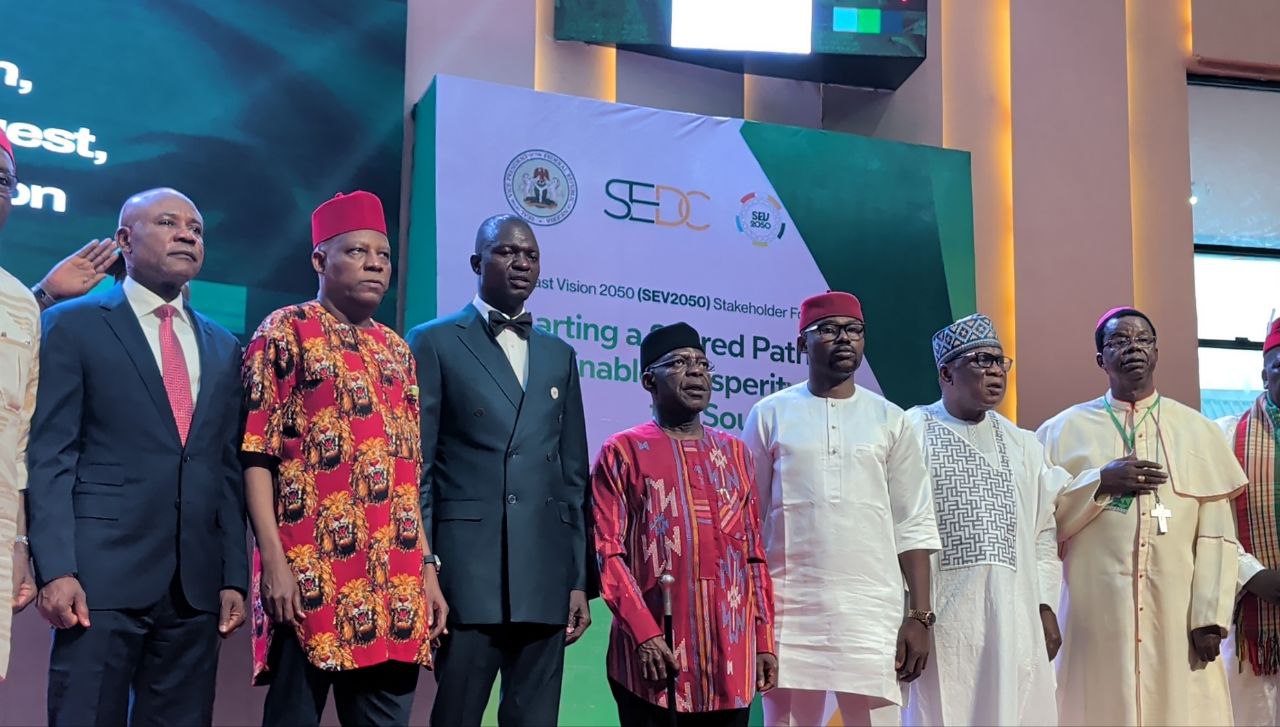
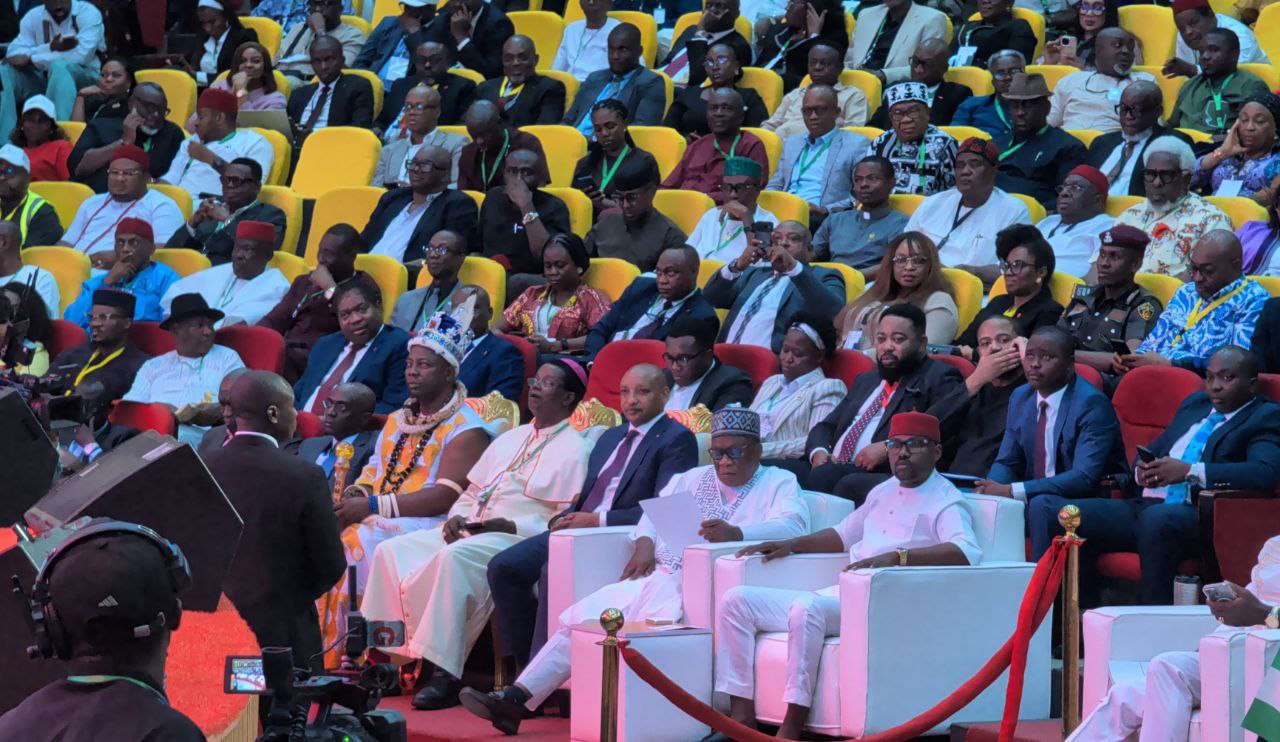
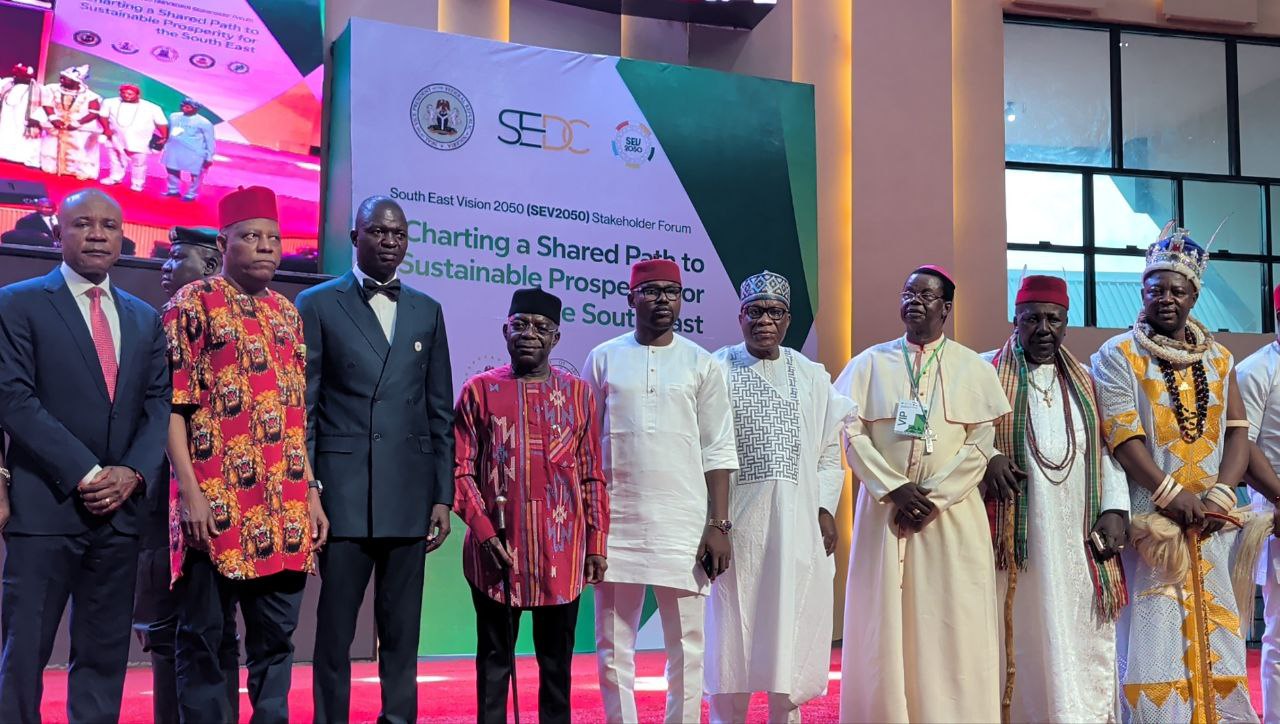
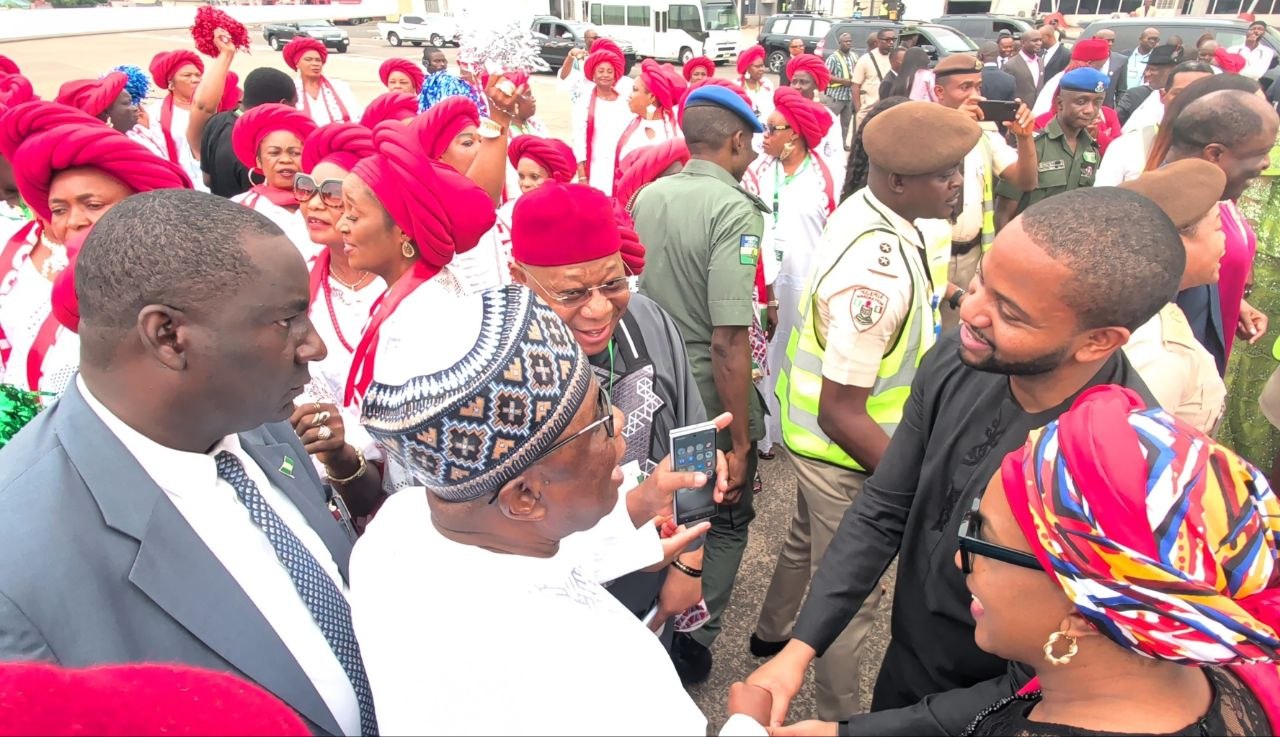
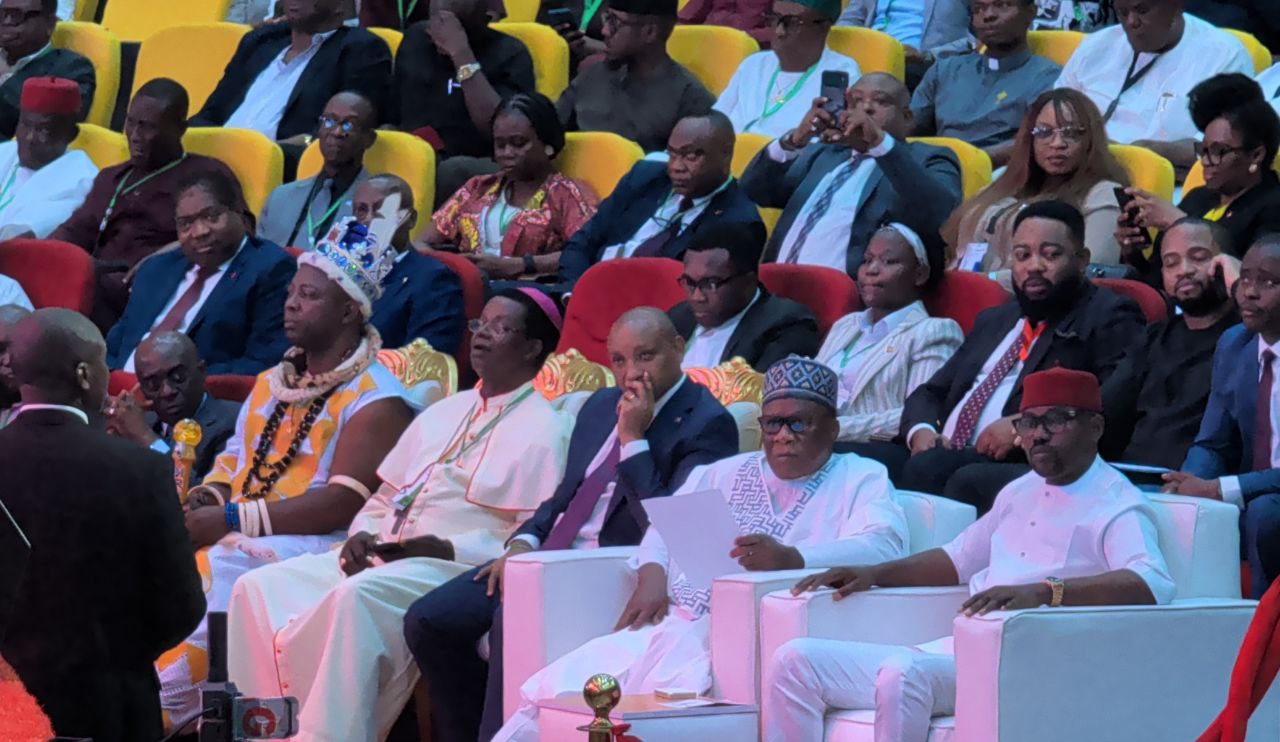
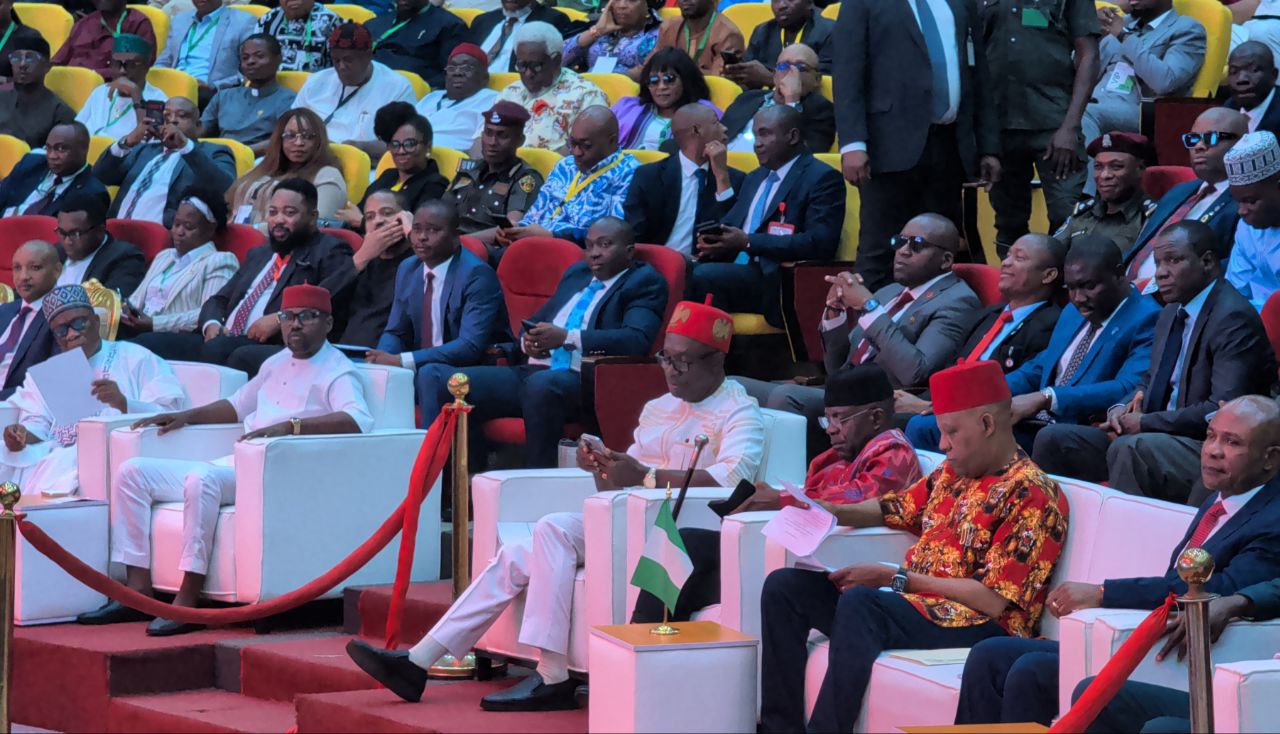
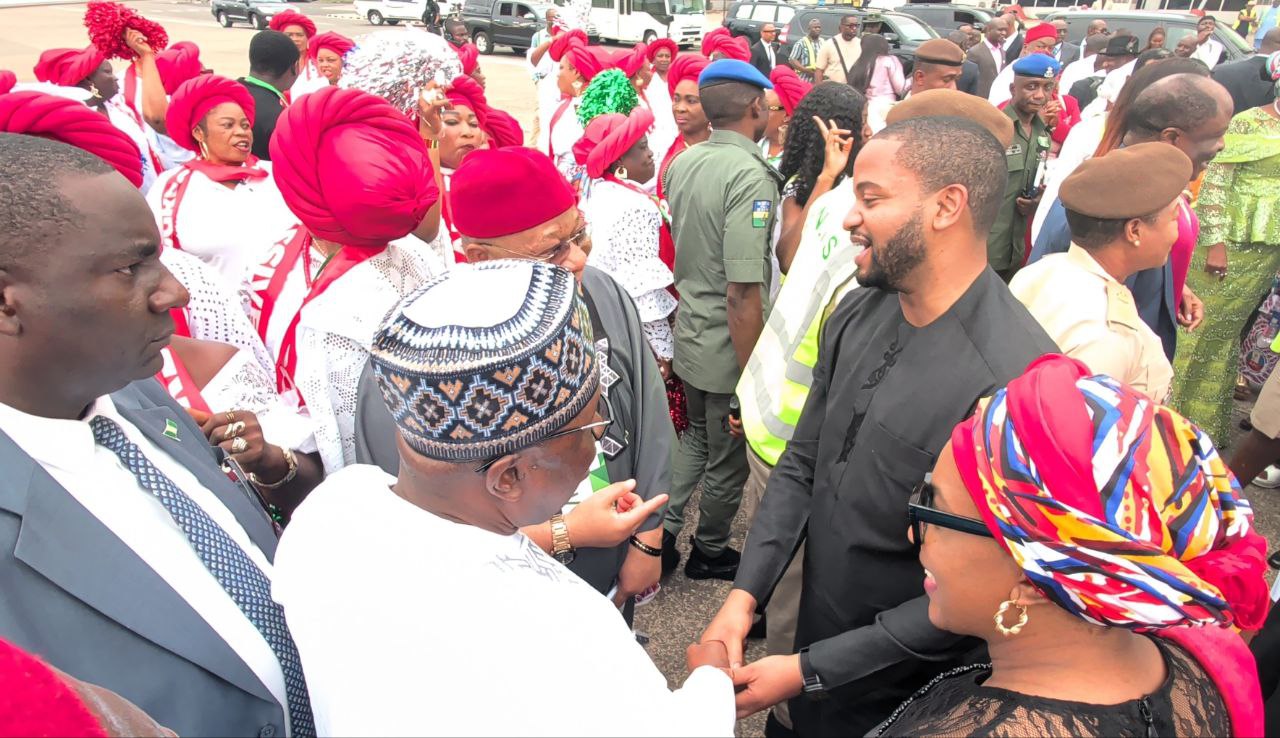
It was a profound honour to participate in the South-East Vision 2050 Stakeholders’ Summit held in Enugu, a gathering that brought together national leadership, state executives, traditional institutions, development partners, and critical stakeholders united by a single purpose: shaping a sustainable and prosperous future for Nigeria’s South-East.
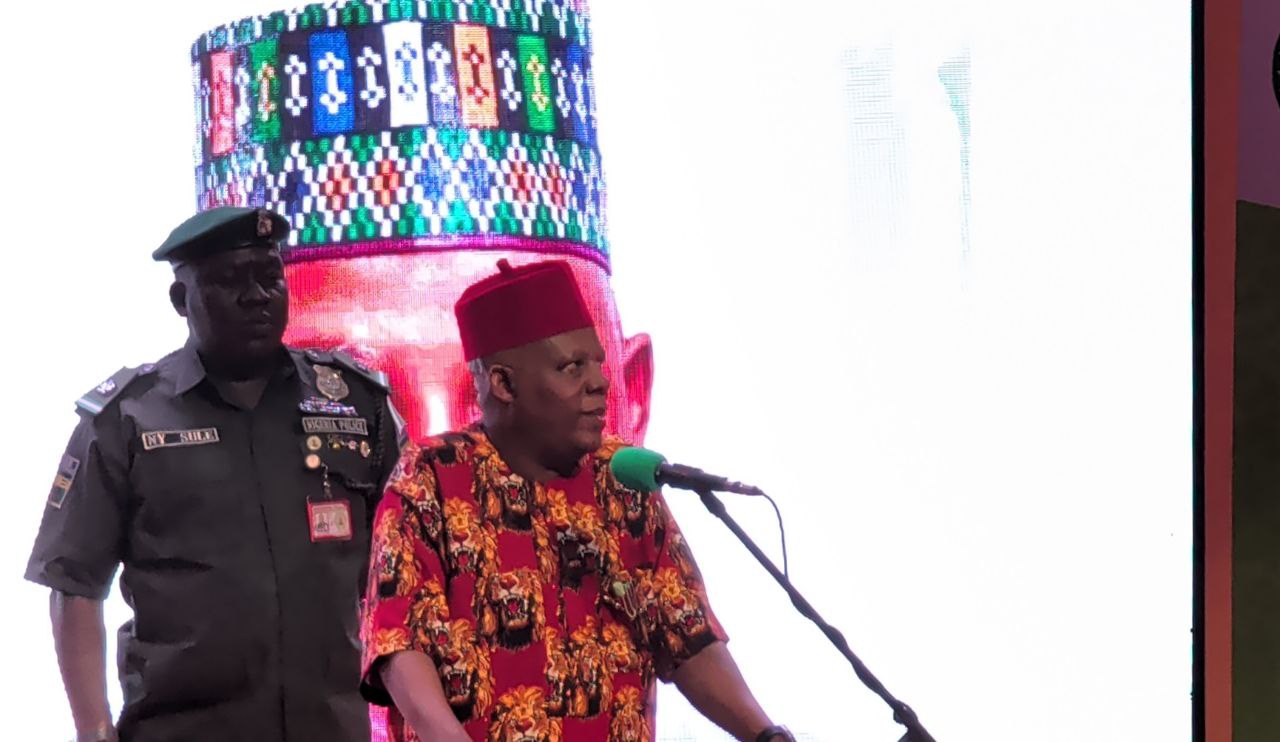
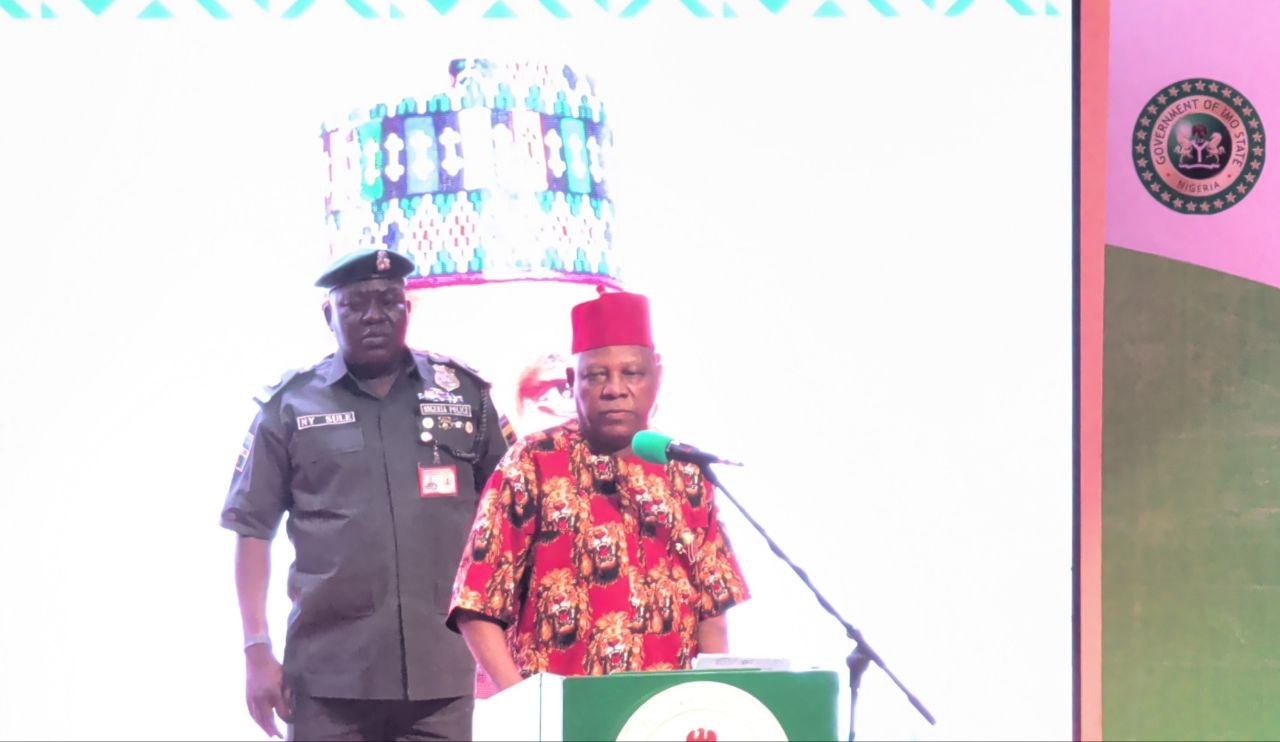
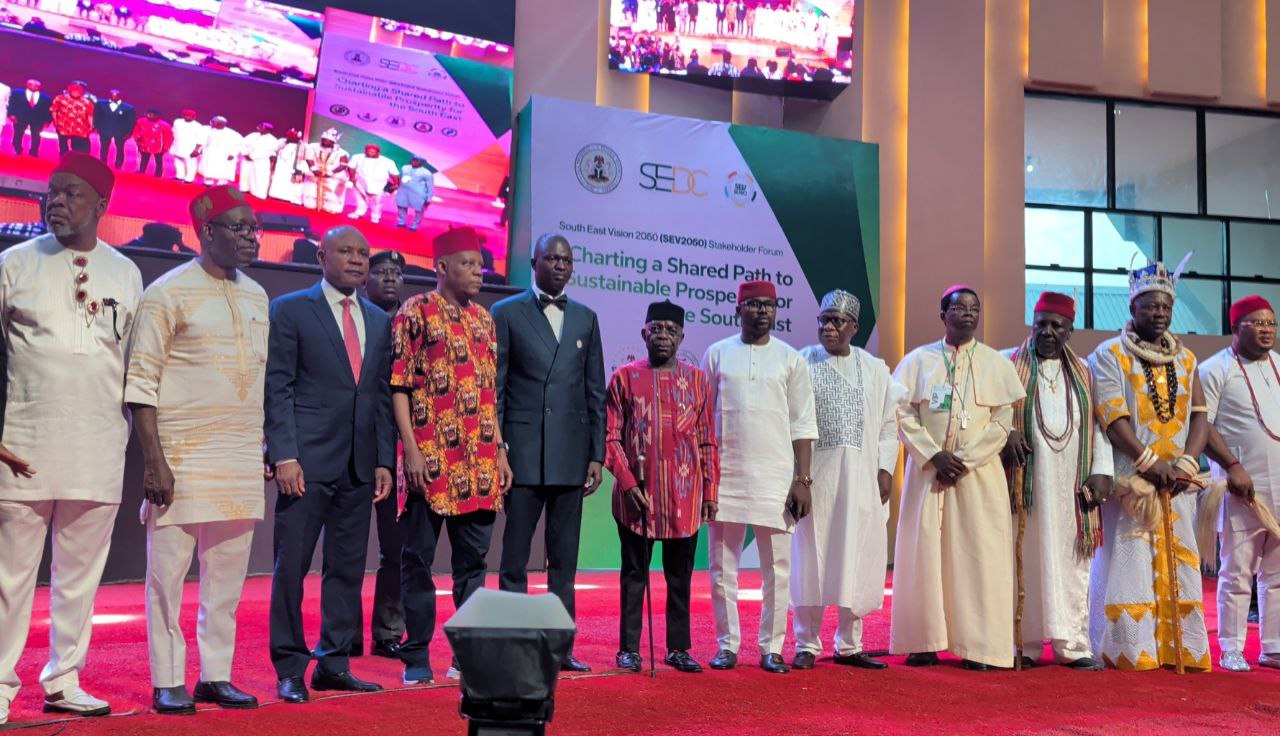
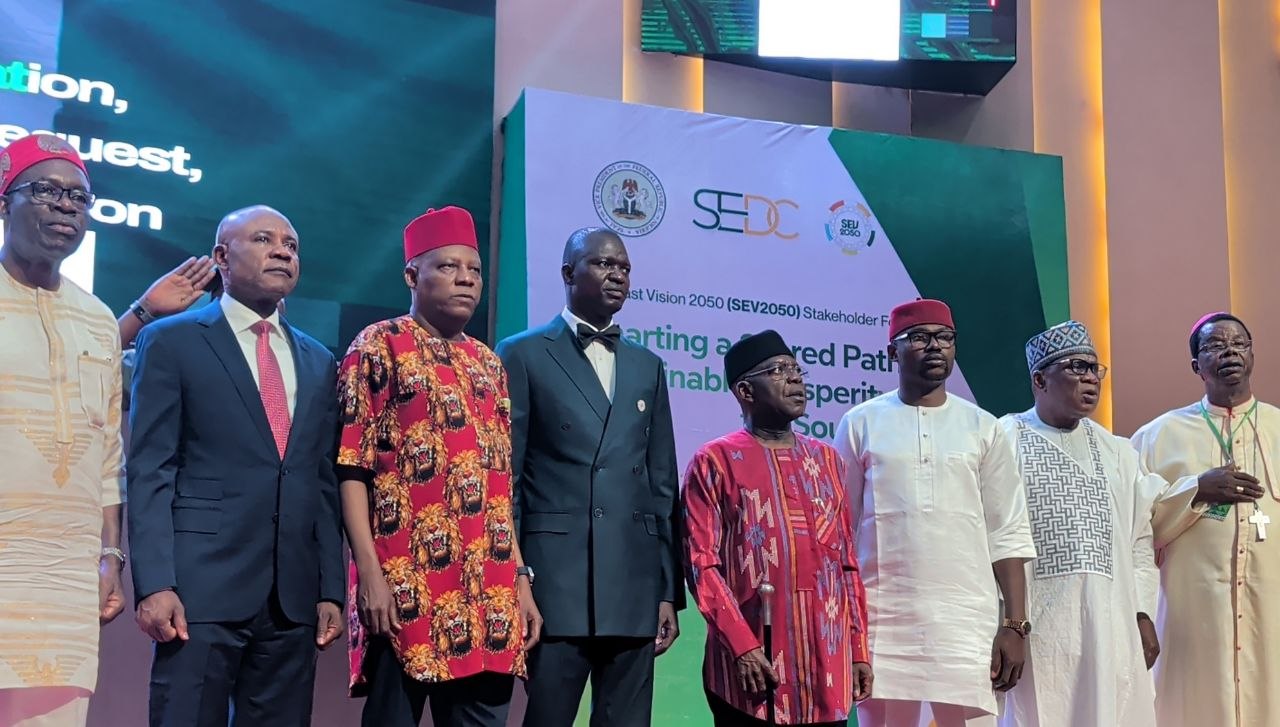
The summit, formally opened by the Vice President of the Federal Republic of Nigeria, His Excellency Kashim Shettima on behalf of His Excellency President Bola Ahmed Tinubu, reaffirmed the Federal Government’s unwavering commitment to inclusive regional development as a cornerstone of national progress. The presence of the governors of Enugu, Anambra, Ebonyi, and Abia States, alongside the representation of Imo State, underscored the depth of collective ownership required for long-term transformation.
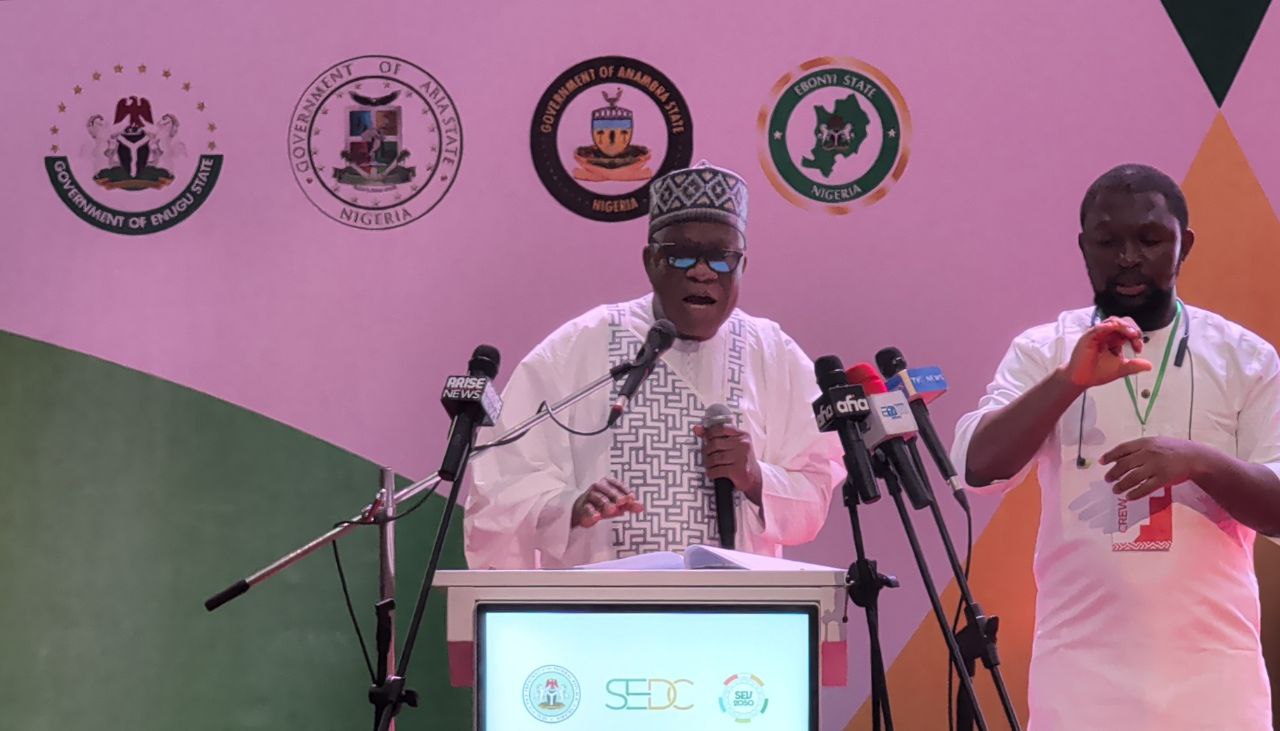
Convened within the strategic framework of the South-East Development Commission’s Vision 2050 process, and guided by the leadership of its Chairman, Emeka Wogu, and Managing Director/Chief Executive Officer, Mark Okoye, the summit marked an important institutional step toward coordinated regional planning anchored on evidence, inclusion, and shared responsibility.
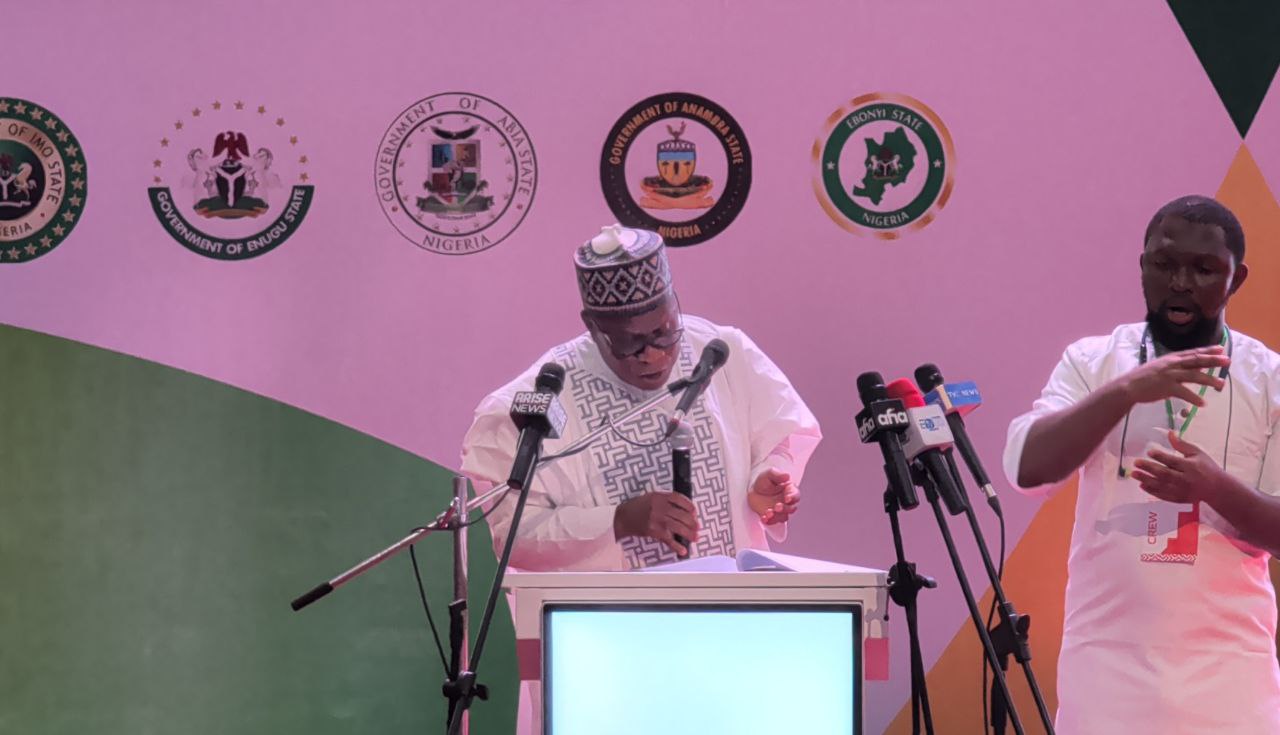
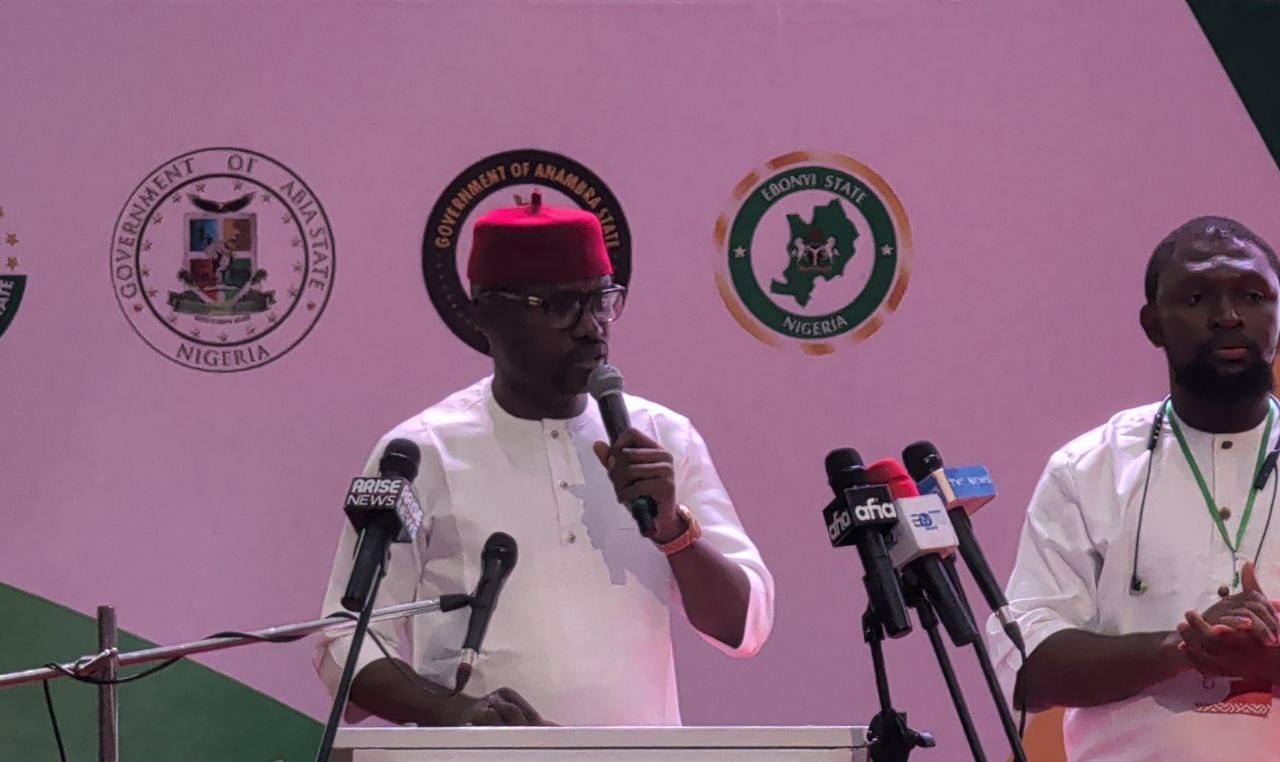
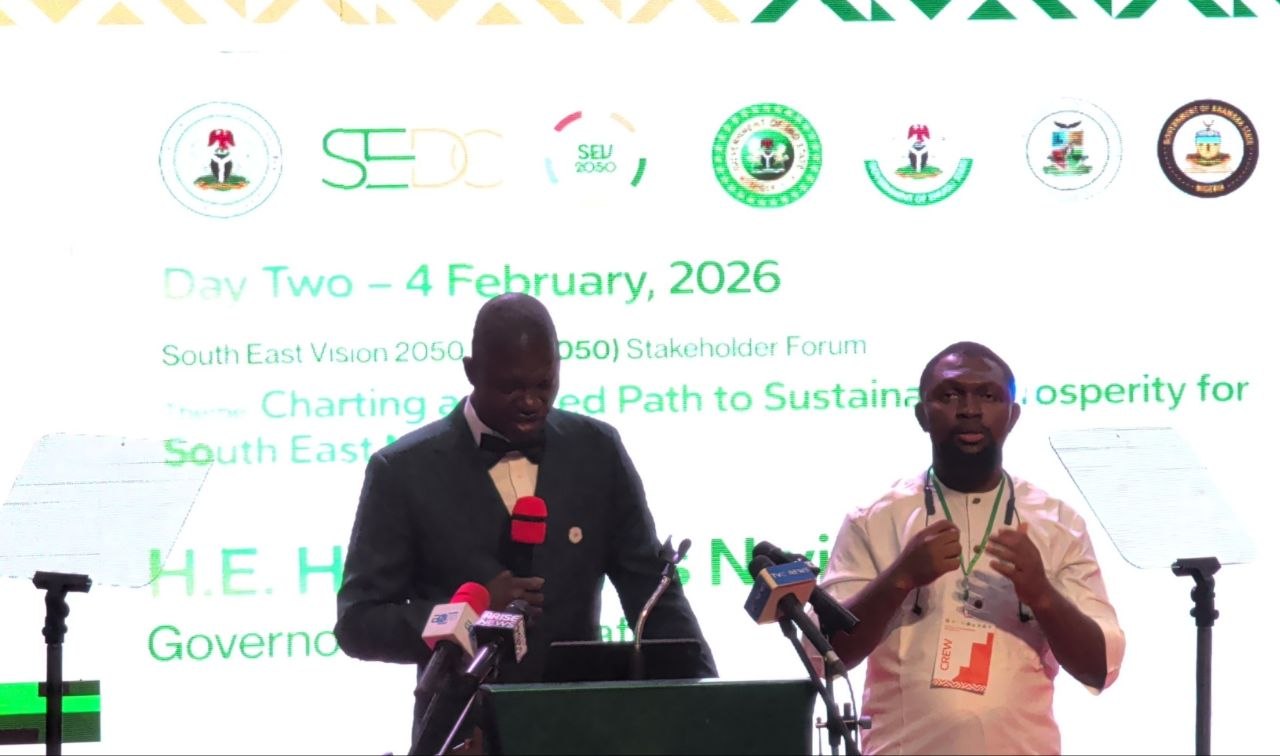
In my address, I emphasised that this forum represents far more than a ceremonial engagement. It signals a deliberate shift from fragmented, short-term interventions toward a coherent development architecture capable of unlocking the South-East’s vast economic potential across manufacturing, commerce, agriculture, technology, and human capital.
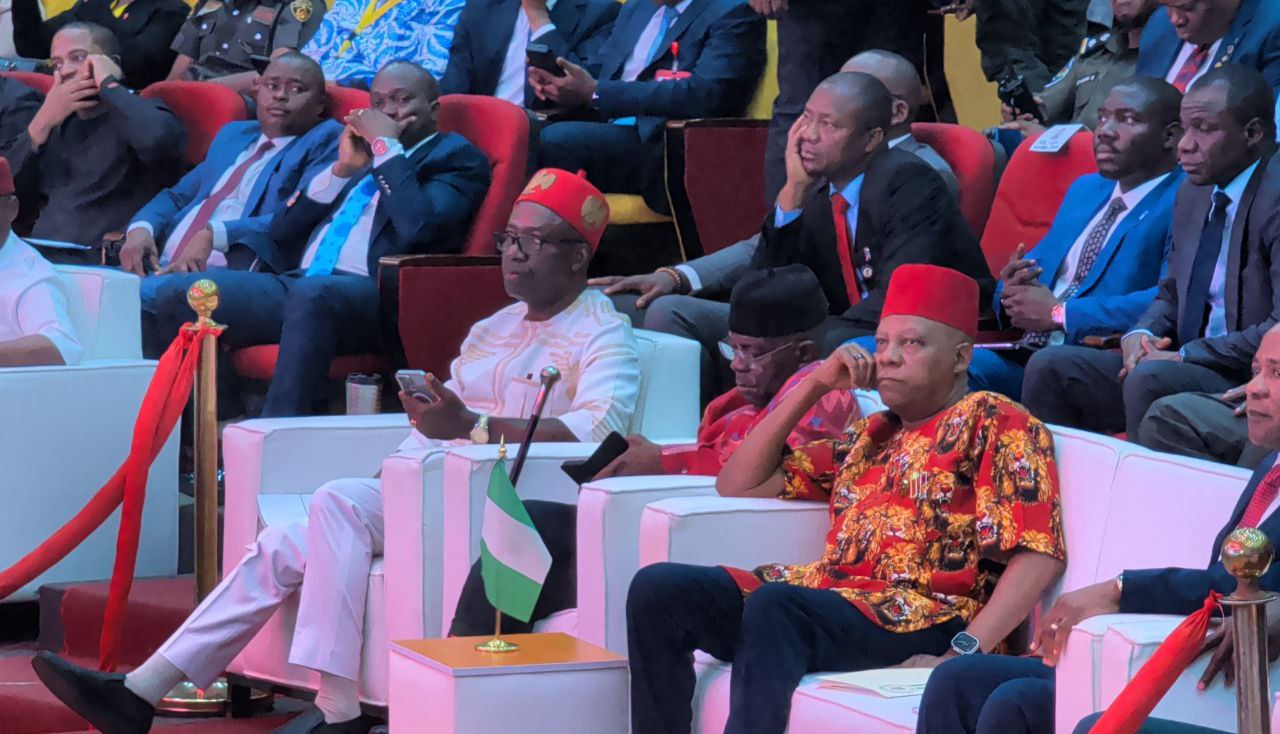
While acknowledging existing structural challenges—ranging from infrastructure gaps and youth unemployment to security pressures and limited regional integration—I reaffirmed the commitment of the Federal Government, through the Ministry of Regional Development, to sustained coordination, policy alignment, and institutional support necessary for long-term progress.
I also highlighted ongoing federal consideration of revitalising regional commodity ecosystems, with the vision of positioning products such as palm oil and Abakaliki rice within competitive global export value chains. This direction aligns firmly with the Renewed Hope Agenda’s focus on productive growth, economic inclusion, and shared national prosperity.
What stood out most throughout the summit was a shared understanding among stakeholders: true regional transformation cannot be achieved through isolated projects or short political cycles. It requires disciplined planning, credible institutions, and collective commitment sustained across generations.
If faithfully implemented, the South-East Vision 2050 framework has the potential not only to redefine the development trajectory of the region but also to serve as a national model for evidence-driven, collaborative, and sustainable regional planning across Nigeria.
I remain deeply encouraged by the spirit of unity, responsibility, and forward thinking demonstrated during this engagement, and I reaffirm the Ministry’s full commitment to supporting every credible effort that advances balanced regional development and national prosperity.
Engr. Abubakar Momoh, FNSE
Honourable Minister of Regional Development
Federal Republic of Nigeria